
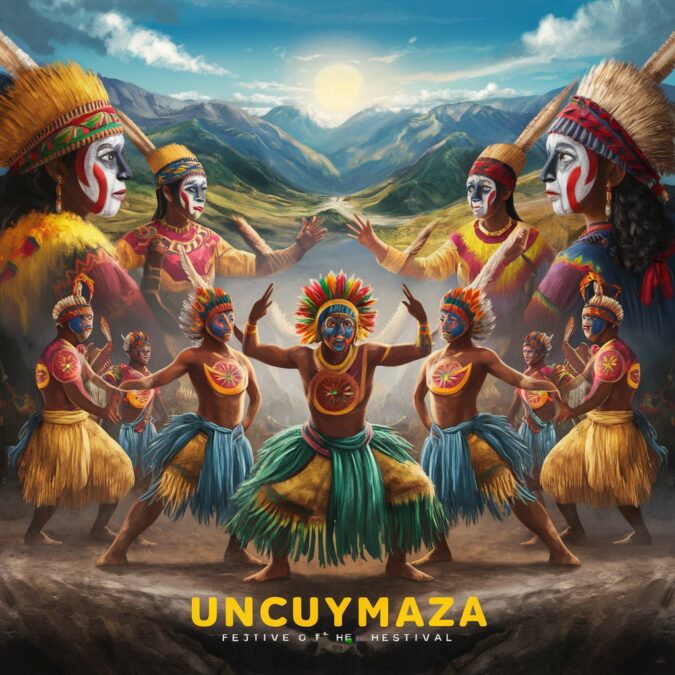

Across the majestic peaks of the Andes, where ancient civilizations once flourished, the traditions of indigenous peoples continue to thrive through rituals, crafts, and community practices that embody centuries of wisdom. Among these enduring customs is Uncuymaza, a traditional Andean cultural practice that reflects the deep connection between humans, nature, and spirituality. Rooted in the indigenous heritage of South America, Uncuymaza represents more than a ritual—it is a living expression of identity, resilience, and cultural continuity.
In a world increasingly shaped by modernization and globalization, the preservation of traditions like Uncuymaza has become vital for maintaining the cultural heritage of Andean communities. This practice, passed down through generations, serves as a bridge between the past and the present, reminding people of their ancestral values and their harmonious relationship with the natural world. Through cultural preservation and community participation, Uncuymaza continues to play a central role in sustaining indigenous knowledge and South American traditions that define the Andean way of life.
The Origins and Meaning of Uncuymaza in Andean Culture
The term Uncuymaza originates from the Quechua language, spoken by many indigenous groups across the Andean highlands. While its exact interpretation varies among regions, it generally refers to a collective ritual or practice that honors the earth, ancestors, and the cyclical rhythms of nature. In traditional Andean cosmology, the world is viewed as an interconnected system where humans, animals, plants, and spirits coexist in balance. Uncuymaza embodies this worldview, serving as a symbolic act of gratitude and reciprocity toward Pachamama (Mother Earth).
Historically, Uncuymaza was performed during agricultural cycles, harvest festivals, and community gatherings. It involved offerings of food, coca leaves, and chicha (a fermented corn drink) to the earth and mountain deities known as Apus. These rituals were not merely religious ceremonies but also social events that reinforced community bonds and collective responsibility. Through Uncuymaza, Andean people expressed their respect for the environment and reaffirmed their commitment to living in harmony with nature—a principle that remains central to indigenous traditions today.
The practice also reflects the Andean concept of ayni, or mutual exchange, which governs social and ecological relationships. By giving back to the earth what has been taken, communities ensure the continuity of life and abundance. Thus, Uncuymaza is both a spiritual and ecological act, embodying the essence of Andean cultural heritage and sustainable living.
Uncuymaza as a Symbol of Indigenous Knowledge and Cultural Preservation
In the modern era, Uncuymaza has evolved into a powerful symbol of indigenous knowledge and cultural preservation. As globalization and urbanization threaten traditional lifestyles, Andean communities have turned to their ancestral practices as a means of safeguarding their identity. Uncuymaza serves as a reminder that cultural survival depends on the active transmission of values, stories, and rituals from one generation to the next.
The preservation of Uncuymaza involves more than reenacting ancient ceremonies—it requires understanding the philosophy behind them. Elders and community leaders play a crucial role in teaching younger generations about the meanings embedded in these traditions. Through oral storytelling, music, dance, and ritual performance, they ensure that the indigenous heritage of the Andes remains vibrant and relevant.
Moreover, Uncuymaza has gained recognition beyond local communities. Cultural organizations, anthropologists, and heritage institutions across South America have begun documenting and promoting these practices as part of broader efforts to protect South American traditions. Festivals celebrating Uncuymaza now attract visitors interested in learning about Andean culture, fostering intercultural dialogue and appreciation for indigenous worldviews.
By preserving Uncuymaza, Andean communities not only protect their past but also contribute to global conversations about sustainability, spirituality, and cultural diversity.
The Role of Uncuymaza in Community Life and Social Harmony
At the heart of Uncuymaza lies the principle of community unity. The practice reinforces social cohesion by bringing people together in shared acts of devotion, labor, and celebration. In many Andean villages, Uncuymaza ceremonies coincide with agricultural milestones such as planting or harvesting seasons. These events are marked by collective participation—families gather to prepare offerings, musicians play traditional instruments, and dancers perform symbolic movements that represent fertility, renewal, and gratitude.
The communal nature of Uncuymaza reflects the Andean belief that individual well-being is inseparable from collective prosperity. Every member of the community, regardless of age or status, contributes to the ritual, emphasizing equality and cooperation. This sense of unity extends beyond human relationships to include the natural environment. Mountains, rivers, and animals are regarded as living beings deserving of respect and care.
In this way, Uncuymaza functions as a form of social and ecological harmony, reinforcing the interconnectedness of all life. It teaches values of humility, reciprocity, and stewardship—principles that are increasingly relevant in addressing modern environmental challenges. By practicing Uncuymaza, Andean communities demonstrate how traditional practices can offer solutions to contemporary issues such as climate change and cultural erosion.
Uncuymaza and the Future of Andean Cultural Heritage
The future of Uncuymaza depends on the continued commitment of Andean communities to preserve their traditions while adapting to changing times. Younger generations are playing a crucial role in revitalizing interest in indigenous customs through education, art, and digital media. Schools in rural areas are incorporating lessons on Andean culture and traditional practices, ensuring that children grow up with a sense of pride in their heritage.
At the same time, collaborations between local communities and cultural preservation organizations are helping to document and protect rituals like Uncuymaza. These efforts include recording oral histories, archiving ceremonial songs, and supporting sustainable tourism initiatives that respect indigenous values. By sharing their traditions with the world, Andean people are not only preserving their identity but also inspiring others to value cultural diversity and environmental stewardship.
Uncuymaza thus stands as a living testament to the resilience of South American indigenous heritage. It reminds us that cultural preservation is not about freezing traditions in time but about allowing them to evolve while maintaining their essence. As long as communities continue to honor their ancestors and the earth, Uncuymaza will remain a beacon of wisdom and continuity in the Andes.
Conclusion
Uncuymaza is more than a ritual—it is a philosophy of life that embodies the harmony between humanity and nature, the past and the present, the individual and the community. As a cornerstone of Andean culture and indigenous heritage, it continues to guide generations in understanding their place within the natural world. Through cultural preservation, education, and community participation, Uncuymaza endures as a symbol of resilience and identity for the Andean people.
In an age where cultural homogenization threatens diversity, the lessons of Uncuymaza are more relevant than ever. It teaches that true progress lies not in abandoning tradition but in embracing it as a source of strength and wisdom. By celebrating and protecting traditional practices like Uncuymaza, we honor the spirit of the Andes and ensure that the voices of indigenous peoples continue to resonate across South America and beyond.
Frequently Asked Questions (FAQ)
1. What is Uncuymaza?
Uncuymaza is a traditional Andean cultural practice rooted in indigenous heritage, symbolizing gratitude, reciprocity, and harmony with nature.
2. Where does Uncuymaza originate?
It originates from the Andean highlands of South America, particularly among Quechua-speaking communities that have preserved ancient traditions.
3. What is the purpose of Uncuymaza?
The practice honors Pachamama (Mother Earth) and the Apus (mountain spirits), expressing gratitude for nature’s gifts and reinforcing community unity.
4. How is Uncuymaza practiced today?
Modern communities perform Uncuymaza during agricultural festivals, cultural events, and rituals that celebrate Andean traditions and indigenous knowledge.
5. Why is Uncuymaza important for cultural preservation?
It helps maintain indigenous identity, transmits ancestral wisdom, and strengthens the continuity of South American cultural heritage.
6. What values does Uncuymaza promote?
Uncuymaza promotes reciprocity, respect for nature, community cooperation, and spiritual balance—core values of Andean culture.
7. How does Uncuymaza relate to sustainability?
By emphasizing harmony with the environment, Uncuymaza aligns with modern principles of ecological sustainability and responsible resource use.
8. Who participates in Uncuymaza ceremonies?
Entire communities take part, including elders, families, and youth, reflecting the collective nature of indigenous traditions.
9. How is Uncuymaza being preserved for future generations?
Through education, cultural documentation, and community-led initiatives that promote cultural preservation and awareness.
10. What can the world learn from Uncuymaza?
Uncuymaza teaches the importance of balance, gratitude, and respect for the earth—universal lessons that transcend cultural boundaries.