

The word “seek” is a commonly used verb in the English language, yet many learners and even native speakers sometimes struggle to fully understand its meaning and proper usage. As a versatile word, “seek” is used in both formal and informal contexts, often conveying the idea of searching, pursuing, or attempting to achieve something. Whether you are writing an essay, improving your vocabulary, or simply trying to communicate more effectively, understanding how to use “seek” correctly can significantly enhance your language skills. This article provides a complete guide to the meaning of “seek,” its uses, examples, synonyms, and practical applications in everyday communication.
What Does “Seek” Mean?
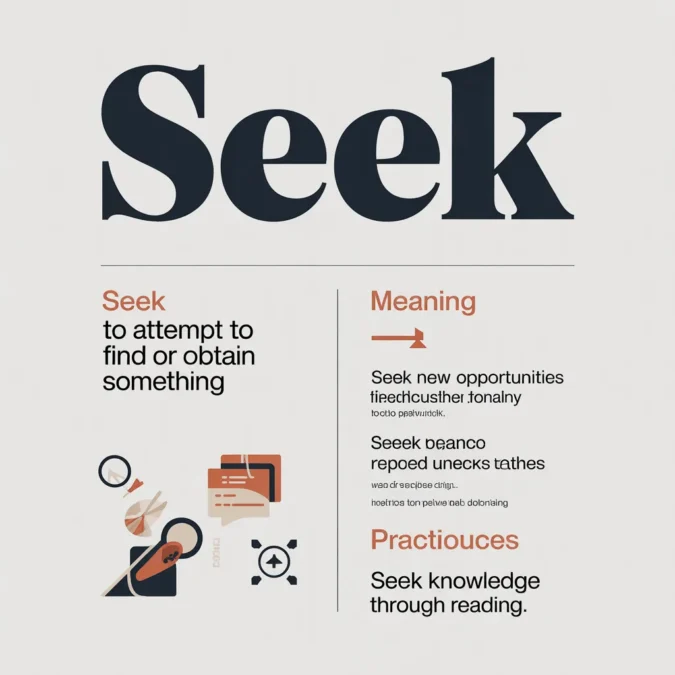
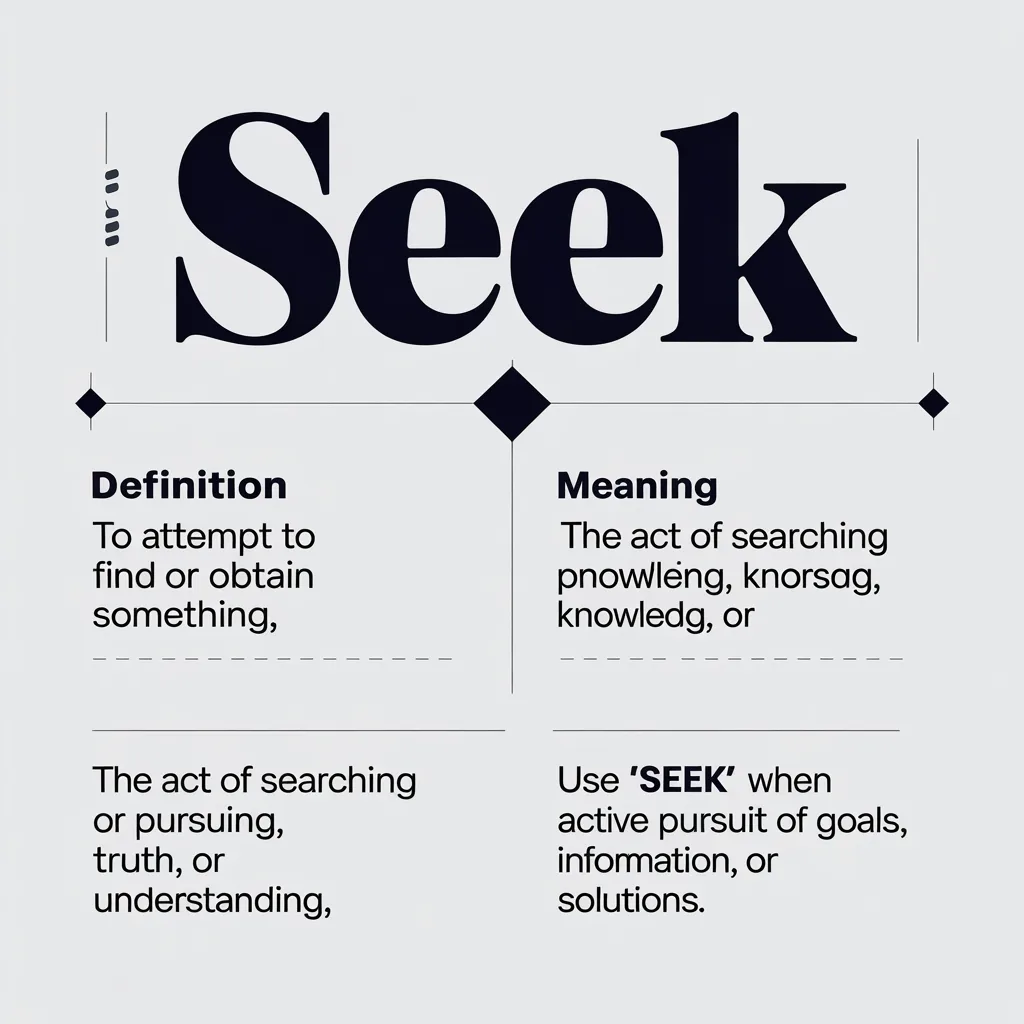
The verb “seek” generally means to look for something, try to obtain something, or aim to achieve a particular goal. It is often used in situations where the action involves effort, intention, or purpose. Unlike simple verbs like “look” or “find,” “seek” carries a slightly more formal tone and is often used in professional, academic, or serious contexts.
For example, when someone says they “seek knowledge,” it implies a deliberate effort to learn and grow. Similarly, to “seek help” means to actively reach out for assistance rather than passively waiting for it.
How to Use “Seek” in Sentences
“Seek” is commonly used in various sentence structures, making it a flexible and useful verb. It can be followed by nouns, phrases, or even clauses, depending on the context. For instance, you might say, “She seeks new opportunities in her career,” or “They are seeking solutions to the problem.”
In professional settings, “seek” is often used in formal communication, such as job applications or official emails. Phrases like “seek permission,” “seek advice,” or “seek approval” are commonly used to express intention and respect.
Synonyms of “Seek”
Understanding synonyms can help expand your vocabulary and improve your writing. Some common synonyms for “seek” include search, pursue, look for, attempt, and strive. Each synonym has a slightly different nuance, but all share the general idea of trying to find or achieve something.
For example, “pursue” often implies a more active or determined effort, while “search for” is more literal. Choosing the right synonym depends on the context and the tone you want to convey.
Common Uses of “Seek” in Real Life
In everyday life, “seek” is used in a wide range of contexts. People may seek advice when making important decisions, seek knowledge through education, or seek opportunities to improve their careers. The word is also commonly used in legal and professional language, where precision and clarity are important.
In addition, “seek” is often used in motivational and inspirational contexts, encouraging individuals to pursue their goals and aspirations. Phrases like “seek success” or “seek happiness” highlight its positive and forward-looking connotation.
Common Mistakes When Using “Seek”
One common mistake is confusing “seek” with simpler verbs like “look” or “find.” While they are related, “seek” usually implies a more intentional and formal action. Another mistake is incorrect verb forms, such as using “seeked” instead of the correct past tense “sought.”
Understanding these differences can help you use the word more accurately and confidently.
Why Learning Words Like “Seek” Is Important
Expanding your vocabulary with words like “seek” can greatly improve your communication skills. It allows you to express ideas more clearly and effectively, especially in formal or professional contexts. Additionally, using a variety of words makes your writing more engaging and sophisticated.
Language is a powerful tool, and mastering words like “seek” can help you communicate your thoughts and intentions more precisely.
Conclusion
The word “seek” is a versatile and meaningful verb that plays an important role in English communication. From expressing the act of searching to conveying the pursuit of goals, it offers a range of applications in both everyday and professional contexts. By understanding its meaning, usage, and synonyms, you can enhance your language skills and communicate more effectively. Whether you are seeking knowledge, opportunities, or solutions, mastering this word will help you express your intentions with clarity and confidence.
Frequently Asked Questions (FAQ)
1. What does “seek” mean?
It means to search for, try to obtain, or aim to achieve something.
2. Is “seek” a formal word?
Yes, it is often used in formal or professional contexts.
3. What is the past tense of “seek”?
The past tense is “sought.”
4. What are synonyms for “seek”?
Search, pursue, look for, attempt, and strive.
5. How can I use “seek” in a sentence?
Example: “She seeks new opportunities in her career.”