


Women have played a vital role in shaping human civilization, contributing to every aspect of society from family life and education to business, politics, and innovation. Over time, the perception and status of women have evolved significantly, moving from limited roles in traditional societies to becoming leaders, influencers, and change-makers in the modern world. Today, discussions about women often center on empowerment, equality, and opportunities, reflecting the growing recognition of their contributions and potential. Understanding the journey of women, the challenges they have faced, and the progress they have made is essential for building a more inclusive and balanced society. This article explores the role of women in modern times, their achievements, and the importance of continuing efforts toward equality and empowerment.
The Role of Women in Society
The role of women in society has transformed dramatically over the centuries, reflecting changes in cultural, economic, and political systems. In earlier times, women were often confined to domestic responsibilities, with limited access to education and employment opportunities. However, as societies progressed, women began to break barriers and enter fields that were once dominated by men. Today, women are active participants in every sector, including healthcare, education, business, science, and politics. Influential figures such as Malala Yousafzai have demonstrated the power of women’s voices in advocating for education and equality. This transformation highlights the importance of providing equal opportunities and recognizing the diverse contributions of women in shaping society.
Women Empowerment and Its Importance
Women empowerment refers to the process of enabling women to have control over their lives, make independent decisions, and participate fully in society. It is a crucial aspect of achieving gender equality and ensuring that women have access to the same opportunities as men. Empowerment involves education, economic independence, and social recognition, all of which contribute to building confidence and self-reliance. Organizations like United Nations have emphasized the importance of empowering women as a key factor in achieving sustainable development and global progress. When women are empowered, they can contribute more effectively to their communities and drive positive change at both local and global levels.
Challenges Faced by Women
Despite significant progress, women continue to face various challenges that hinder their full participation in society. Issues such as gender discrimination, unequal pay, limited access to education, and social barriers remain prevalent in many parts of the world. Cultural norms and stereotypes can also restrict opportunities for women, preventing them from reaching their full potential. In some regions, women still struggle for basic rights and freedoms, highlighting the need for continued advocacy and reform. Addressing these challenges requires collective efforts from governments, organizations, and individuals to create a more equitable and inclusive environment.
Achievements of Women
Women have achieved remarkable milestones across different fields, demonstrating their resilience, creativity, and determination. From scientific breakthroughs to political leadership, women have made significant contributions that have shaped the world. For example, Marie Curie made groundbreaking discoveries in radioactivity, while leaders like Angela Merkel have played key roles in global politics. In addition, women continue to excel in sports, arts, and entrepreneurship, inspiring future generations to pursue their dreams. These achievements not only highlight the capabilities of women but also emphasize the importance of providing equal opportunities for success.
The Future of Women in the World
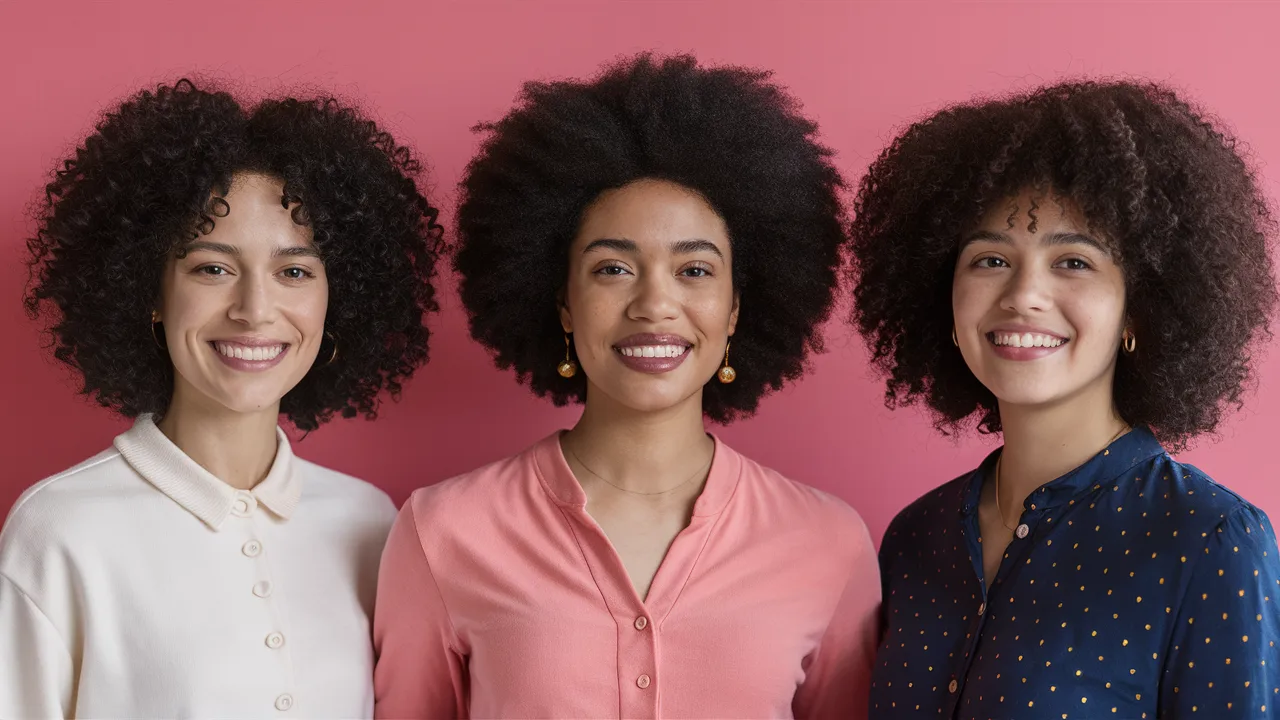
The future of women looks promising, with increasing awareness and efforts to promote gender equality and empowerment. Education and technology are playing a crucial role in opening new opportunities for women, enabling them to access information, develop skills, and participate in global markets. As more women enter leadership positions, they bring diverse perspectives and innovative ideas that contribute to progress and development. However, achieving true equality requires ongoing commitment and collaboration, ensuring that all women, regardless of their background, have the chance to succeed. By continuing to support and empower women, societies can create a more balanced and prosperous future.
Conclusion
Women are an integral part of society, contributing to its growth, development, and success in countless ways. From overcoming historical challenges to achieving remarkable milestones, women have demonstrated their strength and potential time and again. While significant progress has been made, there is still work to be done to ensure equality and empowerment for all women. By recognizing their contributions, addressing existing challenges, and promoting equal opportunities, societies can create a future where women can thrive and reach their full potential. The journey toward gender equality is not just a women’s issue but a global priority that benefits everyone.
Frequently Asked Questions (FAQ)
1. What is women empowerment?
Women empowerment is the process of giving women the ability to make decisions, access opportunities, and achieve independence.
2. Why are women important in society?
Women play a crucial role in family, education, economy, and leadership, contributing to overall societal development.
3. What challenges do women face today?
Common challenges include gender inequality, unequal pay, limited opportunities, and social discrimination.
4. Who are some famous women in history?
Examples include Marie Curie, Malala Yousafzai, and Angela Merkel.
5. How can we support women empowerment?
We can support it through education, equal opportunities, policy changes, and social awareness.