

Table of Contents
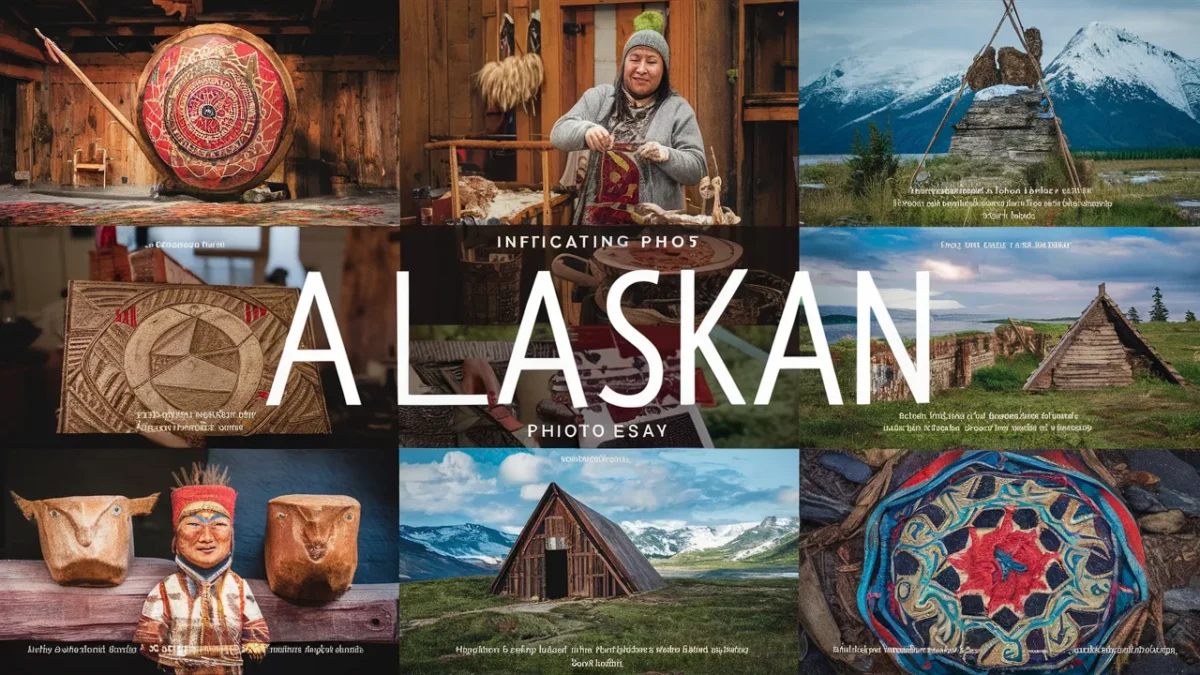
ToggleAlaska is known around the world for its breathtaking landscapes, icy wilderness, rich indigenous heritage, and deeply rooted cultural traditions. Beyond its natural beauty, Alaska is also home to countless historical beliefs, spiritual symbols, and ancient traditions that continue to fascinate historians, travelers, and cultural researchers. One term that has recently sparked curiosity among online users is “Alaskan Seiti.” Although relatively uncommon in mainstream discussions, the phrase carries a mysterious and intriguing quality that encourages deeper exploration into cultural symbolism, northern traditions, and historical significance.
In today’s digital era, people are increasingly searching for unique cultural terms and lesser-known historical references. Search engines, social media platforms, and educational websites have made it easier than ever to discover ancient beliefs and regional traditions from different parts of the world. Alaskan Seiti stands out because it combines the mystique of Alaska with a word that suggests spirituality, symbolism, or cultural importance. Whether associated with folklore, indigenous heritage, sacred landmarks, or symbolic traditions, the term invites curiosity and scholarly interest.
This article explores the meaning, possible origins, historical significance, cultural relevance, and modern interpretations of Alaskan Seiti. We will also discuss why unique cultural keywords are becoming increasingly important in online searches and digital content creation. By understanding the broader context behind Alaskan Seiti, readers can gain insight into how ancient traditions and modern curiosity continue shaping global interest in regional culture and heritage.
What Is Alaskan Seiti?
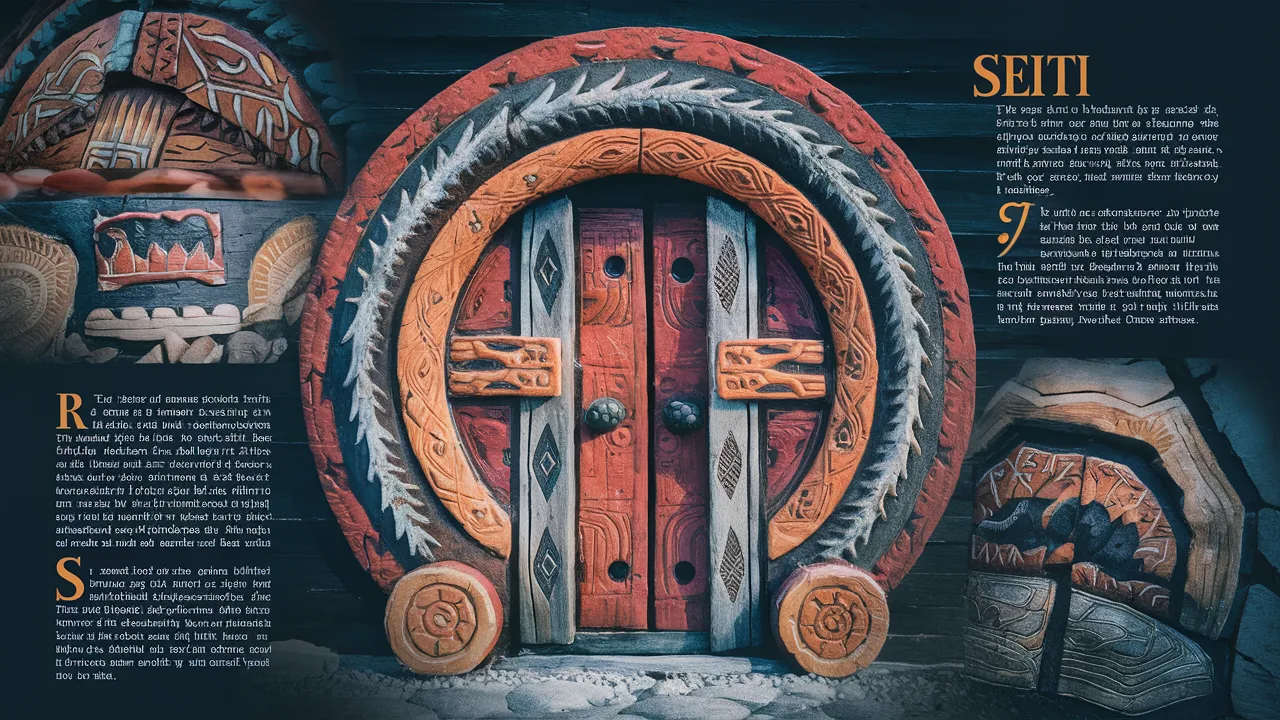
Alaskan Seiti can be interpreted as a term connected to cultural symbolism, spiritual heritage, or traditional beliefs associated with northern regions and indigenous traditions. The word “Seiti” resembles terms historically linked to sacred objects, symbolic stones, or spiritual landmarks in northern and Arctic cultures. In various ancient traditions, such objects were often believed to hold spiritual significance or serve as important ceremonial sites.
When combined with Alaska, the phrase creates an image tied to the region’s deep cultural and spiritual history. Alaska has long been home to indigenous communities whose traditions are closely connected to nature, wildlife, mountains, rivers, and sacred landscapes. Many native cultures viewed natural formations and symbolic objects as spiritually meaningful and central to their beliefs.
The growing online interest in Alaskan Seiti may also stem from the modern fascination with hidden history, mythology, and ancient symbolism. Unique cultural terms attract readers because they provide opportunities to learn about traditions that are not widely discussed in mainstream media. The mystery surrounding the phrase itself contributes to its appeal and memorability.
Historical Background of Seiti Traditions
Historically, similar terms to “Seiti” have appeared in northern and Arctic cultural traditions, particularly among indigenous and ancient communities that lived close to nature. Sacred stones, ritual objects, and symbolic landmarks were often used in ceremonies, storytelling, spiritual practices, and cultural gatherings.
These traditions reflected the belief that nature possessed spiritual energy and that certain locations or objects could act as connections between humans and the natural world. Mountains, forests, rivers, and stones were not merely physical features but were viewed as part of a larger spiritual system that guided everyday life.
In regions with harsh climates such as Alaska and the Arctic, cultural beliefs often developed around survival, respect for nature, and harmony with the environment. Rituals and symbolic objects served as reminders of the connection between people and the forces of nature that shaped their lives.
The historical significance of such traditions continues to inspire modern researchers, historians, and cultural enthusiasts. As interest in indigenous heritage grows globally, terms like Alaskan Seiti gain additional relevance because they represent a bridge between ancient traditions and modern understanding.
The Cultural Importance of Alaskan Seiti
Cultural identity plays an essential role in preserving traditions and historical memory. Alaskan Seiti may symbolize the importance of honoring ancient beliefs and recognizing the spiritual values embedded in northern cultures. Indigenous traditions often emphasize respect for the environment, community unity, and the preservation of ancestral knowledge.
One reason cultural keywords attract online attention is because people increasingly seek authentic stories and meaningful connections to history. In a world dominated by fast-moving digital trends, ancient traditions offer a sense of depth and continuity that many readers find fascinating.
The idea of sacred landmarks or symbolic objects also resonates strongly with travelers and explorers. Alaska’s vast wilderness and untouched landscapes create a perfect setting for stories connected to spirituality and historical mystery. This connection between nature and tradition strengthens the cultural appeal of Alaskan Seiti.
Modern interest in indigenous cultures has also contributed to the visibility of unique historical terms. Educational institutions, documentaries, museums, and travel platforms frequently highlight traditional practices and heritage preservation, encouraging global audiences to explore lesser-known cultural topics.
Alaskan Seiti in the Digital Age
The internet has transformed the way people discover historical and cultural information. Unique terms that once remained limited to regional communities can now gain worldwide visibility through search engines, blogs, and social media discussions. Alaskan Seiti is an example of how digital curiosity can bring attention to niche cultural topics.
SEO and digital content creation play major roles in this process. Content creators often focus on unique keywords because they attract targeted audiences interested in specific subjects. Since uncommon terms face lower competition in search engines, they offer opportunities for strong visibility and higher rankings.
Online audiences are particularly drawn to mysterious or lesser-known topics because they provide fresh information compared to repetitive mainstream content. Alaskan Seiti benefits from this curiosity-driven search behavior, making it valuable both culturally and digitally.
The rise of educational content on YouTube, podcasts, and travel websites has also increased public interest in indigenous heritage and historical symbolism. As more creators discuss ancient traditions and hidden cultural stories, keywords like Alaskan Seiti continue gaining relevance.
SEO Value of the Keyword “Alaskan Seiti”
From an SEO perspective, Alaskan Seiti is a highly interesting keyword because it combines cultural curiosity with niche search potential. Users searching for this phrase are likely looking for detailed explanations, historical context, or cultural insights.
Effective long-tail keyword variations include:
- What is Alaskan Seiti
- Alaskan Seiti meaning
- Alaskan Seiti history
- Seiti traditions in Alaska
- Alaskan spiritual symbols
These search phrases help content creators target highly specific audiences while building topical authority around cultural and historical subjects.
Unique keywords are especially valuable because they face lower competition than broad generic topics. This allows websites to rank more effectively while attracting readers genuinely interested in the subject matter. Educational and culturally rich content also tends to perform well because it provides lasting informational value.
The Future Interest in Alaskan Seiti
As global interest in indigenous traditions, spirituality, and cultural history continues growing, topics like Alaskan Seiti are likely to become more visible online. Younger generations increasingly value authentic stories, historical exploration, and meaningful cultural connections.
Travel and tourism may also contribute to future interest. Alaska remains one of the world’s most fascinating destinations because of its natural beauty and cultural diversity. Visitors often seek deeper understanding of local heritage and traditions beyond popular tourist attractions.
Academic research and digital storytelling are expected to further expand awareness of northern cultural traditions. Documentaries, online courses, and educational platforms continue introducing audiences to historical practices that were once overlooked.
The future relevance of Alaskan Seiti will depend on continued curiosity, preservation efforts, and educational discussions. However, its uniqueness and cultural depth already make it a compelling topic for readers interested in history, symbolism, and Arctic heritage.
Conclusion
Alaskan Seiti represents the fascinating intersection of history, spirituality, culture, and modern digital curiosity. Although the term may not yet be widely recognized, its connection to northern traditions and symbolic heritage gives it strong cultural and educational value. In today’s internet-driven world, unique historical topics attract growing interest because they offer readers opportunities to explore deeper meanings and lesser-known traditions.
The mystery and originality of Alaskan Seiti make it especially compelling. It reflects humanity’s long-standing relationship with nature, spirituality, and cultural identity while also highlighting the importance of preserving historical knowledge. As more people search for authentic cultural stories and unique historical references, terms like Alaskan Seiti are likely to gain even greater relevance.
Whether explored from a historical, cultural, or SEO perspective, Alaskan Seiti demonstrates how ancient traditions continue inspiring curiosity in the modern age. Its blend of mystery, heritage, and symbolism ensures that it remains an intriguing and valuable topic for future exploration.
FAQ About Alaskan Seiti
1. What does Alaskan Seiti mean?
Alaskan Seiti is believed to relate to cultural symbolism, spiritual traditions, or sacred heritage connected to northern regions and indigenous beliefs.
2. Is Alaskan Seiti connected to indigenous culture?
Yes, it may reflect traditions and symbolic practices associated with indigenous communities and Arctic cultural heritage.
3. Why is Alaskan Seiti gaining online attention?
People are increasingly interested in unique historical topics, spirituality, and lesser-known cultural traditions.
4. What is the significance of sacred symbols in northern cultures?
Sacred symbols often represented spiritual beliefs, respect for nature, and connections between communities and the environment.
5. Is Alaskan Seiti useful for SEO content?
Yes, unique cultural keywords often have lower competition and attract targeted audiences interested in educational content.
6. Could Alaskan Seiti become more popular in the future?
Interest in indigenous heritage, cultural history, and Arctic traditions is growing globally, which may increase attention toward topics like Alaskan Seiti.