
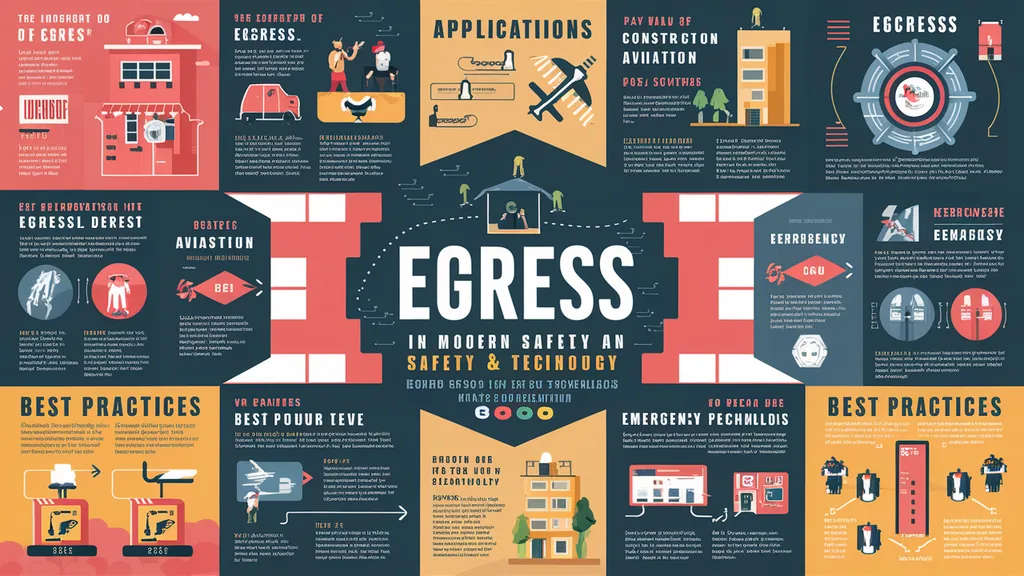

The term egress plays a critical role in various industries, including construction, architecture, emergency management, cybersecurity, and information technology. Although many people encounter the word in building codes or technical discussions, its importance extends far beyond these areas. At its core, egress refers to the act of exiting or leaving a place, system, or environment safely and efficiently. Whether discussing emergency escape routes in a building or the movement of data out of a computer network, egress is a concept that directly impacts safety, security, and operational effectiveness.
In today’s increasingly connected world, understanding egress has become more important than ever. Organizations must ensure that people can evacuate buildings during emergencies while also protecting sensitive information leaving digital systems. As regulations evolve and technology advances, egress remains a fundamental principle that supports both physical safety and digital security. This comprehensive guide explores the meaning of egress, its various applications, benefits, challenges, and best practices.
What Is Egress?
Egress is a term that generally refers to the process of exiting or moving away from a location. In physical environments such as buildings, egress involves designated pathways, doors, stairways, and exits that allow occupants to leave safely during normal operations or emergencies. In technology and cybersecurity, egress refers to the flow of data leaving a network, device, or system.
The concept of egress is often paired with ingress, which refers to entering a location or system. Together, ingress and egress help define how people, materials, and information move within and between environments. Understanding egress is essential because safe and controlled exits contribute to both efficiency and risk management.
The Importance of Egress
Egress is important because it directly affects safety, accessibility, and operational continuity. In buildings, properly designed egress systems can save lives during emergencies such as fires, earthquakes, or security threats. Clear exit routes reduce panic and help occupants evacuate quickly and safely.
In the digital world, egress is equally important because it determines how information leaves a network. Organizations must monitor data egress to prevent unauthorized transfers, protect sensitive information, and comply with privacy regulations. Effective egress management helps reduce the risk of cyberattacks, data breaches, and compliance violations.
The importance of egress extends to public safety, workplace efficiency, regulatory compliance, and organizational resilience. Without proper egress planning, both physical and digital environments become significantly more vulnerable to risks.
Egress in Building Safety
One of the most recognized applications of egress is in building design and fire safety. Building codes around the world require structures to include adequate means of egress that allow occupants to evacuate safely in emergencies. These requirements often specify the number of exits, exit widths, signage, lighting, and accessibility features.
A well-designed egress system includes clearly marked exit routes, emergency lighting, fire-resistant corridors, and unobstructed pathways. These elements work together to guide occupants toward safety during critical situations. Architects, engineers, and safety professionals must carefully consider occupancy levels, building layout, and potential hazards when designing egress systems.
Regular inspections and maintenance are also essential. Blocked exits, malfunctioning emergency lights, and poorly marked escape routes can significantly reduce the effectiveness of an egress system. Organizations should conduct periodic drills and assessments to ensure readiness.
Types of Egress Systems
There are several types of egress systems used in buildings and facilities. Standard exit routes include doors, hallways, stairwells, and exterior pathways that lead occupants to safety. Emergency exits provide alternative routes when primary pathways become inaccessible due to hazards.
Accessible egress systems are specifically designed to accommodate individuals with disabilities. These systems may include evacuation elevators, refuge areas, and specialized equipment that support safe evacuation for all occupants.
In industrial and high-risk environments, advanced egress systems may incorporate automated guidance technologies, emergency communication systems, and real-time monitoring capabilities. These features enhance safety and improve response times during emergencies.
Egress in Cybersecurity
In cybersecurity, egress refers to the movement of data from an internal network to an external destination. Managing data egress is critical because sensitive information can be exposed if unauthorized transfers occur. Cybersecurity teams implement controls that monitor and regulate outbound data traffic to reduce risks.
Data egress monitoring helps organizations detect suspicious activity, identify potential threats, and prevent data loss. Security tools such as firewalls, intrusion detection systems, and data loss prevention solutions play an important role in controlling egress traffic.
As remote work and cloud computing become more common, managing data egress has become increasingly complex. Organizations must balance accessibility with security while ensuring compliance with regulations and industry standards.
Benefits of Effective Egress Planning
Effective egress planning provides numerous benefits across different environments. In physical settings, it improves occupant safety, supports regulatory compliance, and reduces liability risks. Well-designed egress systems also contribute to confidence and preparedness among building occupants.
In digital environments, egress management strengthens cybersecurity by reducing the likelihood of unauthorized data transfers. Organizations gain greater visibility into network activity and can respond more effectively to potential threats. Improved security supports business continuity and protects valuable information assets.
Another important benefit is operational efficiency. Clear procedures and well-maintained systems help organizations respond quickly during emergencies while minimizing disruptions.
Common Challenges Related to Egress
Despite its importance, egress management presents several challenges. In buildings, overcrowding, poor maintenance, and inadequate planning can compromise evacuation effectiveness. Older structures may require upgrades to meet modern safety standards.
In cybersecurity, organizations face challenges related to increasing data volumes, evolving threats, and complex network architectures. Monitoring outbound traffic without affecting performance can be difficult, especially in large enterprises with extensive digital infrastructures.
Balancing convenience, accessibility, and security is another challenge. Organizations must ensure that egress systems remain effective without creating unnecessary barriers for users.
Best Practices for Egress Management
Organizations can improve egress effectiveness by following established best practices. In physical environments, regular inspections, employee training, emergency drills, and compliance reviews are essential. Exit routes should remain clear, well-lit, and clearly marked at all times.
In cybersecurity, organizations should implement robust monitoring tools, enforce access controls, and regularly review outbound traffic policies. Data encryption, endpoint protection, and employee awareness training further strengthen egress security.
Continuous evaluation and improvement are critical. As environments change, organizations should update their egress strategies to address new risks and requirements.
The Future of Egress
The future of egress is being shaped by technological innovation and evolving safety standards. Smart buildings are incorporating advanced sensors, real-time monitoring systems, and automated evacuation guidance tools that improve emergency response capabilities.
In cybersecurity, artificial intelligence and machine learning are enhancing the ability to detect abnormal egress activity and respond to threats in real time. These technologies provide deeper insights into network behavior and support more effective risk management.
As organizations become more interconnected, the need for efficient and secure egress systems will continue to grow. Future developments are expected to focus on improving safety, automation, and adaptability across both physical and digital environments.
Conclusion
Egress is a fundamental concept that influences safety, security, and operational effectiveness across a wide range of industries. From ensuring safe evacuation during emergencies to protecting sensitive data in digital networks, egress plays a critical role in modern society. Effective egress planning helps organizations comply with regulations, reduce risks, and create safer environments for people and information.
As technology advances and new challenges emerge, the importance of egress will only continue to increase. By understanding its principles, applications, and best practices, individuals and organizations can better prepare for emergencies, strengthen security, and support long-term resilience. Whether in building design or cybersecurity, egress remains an essential component of responsible planning and management.
Frequently Asked Questions (FAQ)
What does egress mean?
Egress refers to the act of exiting or leaving a location, building, system, or network.
Why is egress important?
Egress is important because it supports safety, emergency preparedness, security, and regulatory compliance.
What is egress in building safety?
In building safety, egress refers to designated exit routes that allow occupants to evacuate safely during emergencies.
What is egress in cybersecurity?
In cybersecurity, egress refers to data leaving a network or system and the controls used to manage outbound traffic.
What are the main components of an egress system?
Common components include exit doors, stairways, corridors, emergency lighting, signage, and evacuation procedures.
How can organizations improve egress management?
Organizations can improve egress management through regular inspections, employee training, emergency drills, and security monitoring.
What is the difference between ingress and egress?
Ingress refers to entering a location or system, while egress refers to exiting or leaving it.
How does technology impact egress?
Technology enhances egress through smart building systems, automated monitoring, artificial intelligence, and advanced security tools.