


Lincoln Tunnel is one of the most famous and heavily used transportation tunnels in the United States. Connecting New York City with New Jersey beneath the Hudson River, the tunnel plays a major role in the daily movement of commuters, tourists, and commercial vehicles. Millions of people pass through the Lincoln Tunnel every year, making it a vital transportation link in the northeastern United States. Known for its engineering brilliance and historical importance, the tunnel has become a symbol of urban infrastructure and modern transportation development.
History of the Lincoln Tunnel
The idea of building Lincoln Tunnel emerged during a period when transportation demand between New Jersey and Manhattan was rapidly increasing. Before the tunnel existed, ferries were the primary method for crossing the Hudson River. However, growing automobile ownership and rising population levels created the need for a more efficient transportation route. Construction began in the 1930s, and the first tunnel tube officially opened in 1937.
The project was named after Abraham Lincoln, representing national unity and progress. Engineers faced enormous challenges while constructing the tunnel underwater, but the successful completion of the project transformed travel between New Jersey and New York City. Over time, additional tunnel tubes were added to accommodate the increasing number of vehicles using the crossing every day.
Structure and Engineering Design
Lincoln Tunnel consists of three separate tubes carrying multiple traffic lanes beneath the Hudson River. The tunnel stretches approximately 1.5 miles and connects Midtown Manhattan to Weehawken, New Jersey. At the time of its construction, the tunnel represented one of the most advanced engineering achievements in the world.
The underwater construction process required innovative techniques and extensive safety planning. Workers had to operate under difficult conditions while ensuring the tunnel remained structurally secure beneath the river. The tunnel’s ventilation system was also groundbreaking because it helped remove vehicle exhaust and maintain safe air quality underground. Even decades later, the Lincoln Tunnel continues to be admired as a masterpiece of civil engineering.
Importance of the Lincoln Tunnel
The importance of Lincoln Tunnel extends far beyond transportation convenience. It serves as a critical economic connection between New York and New Jersey, supporting business activity, tourism, and regional commerce. Thousands of commuters rely on the tunnel daily to travel between home and work, especially those employed in Manhattan’s financial and commercial districts.
Commercial vehicles also depend on the tunnel for transporting goods and services throughout the metropolitan region. Without the Lincoln Tunnel, congestion on nearby bridges and crossings would increase dramatically, causing delays and economic disruption. Its strategic role in regional transportation makes it one of the busiest and most important vehicular tunnels in the world.
Traffic and Daily Transportation
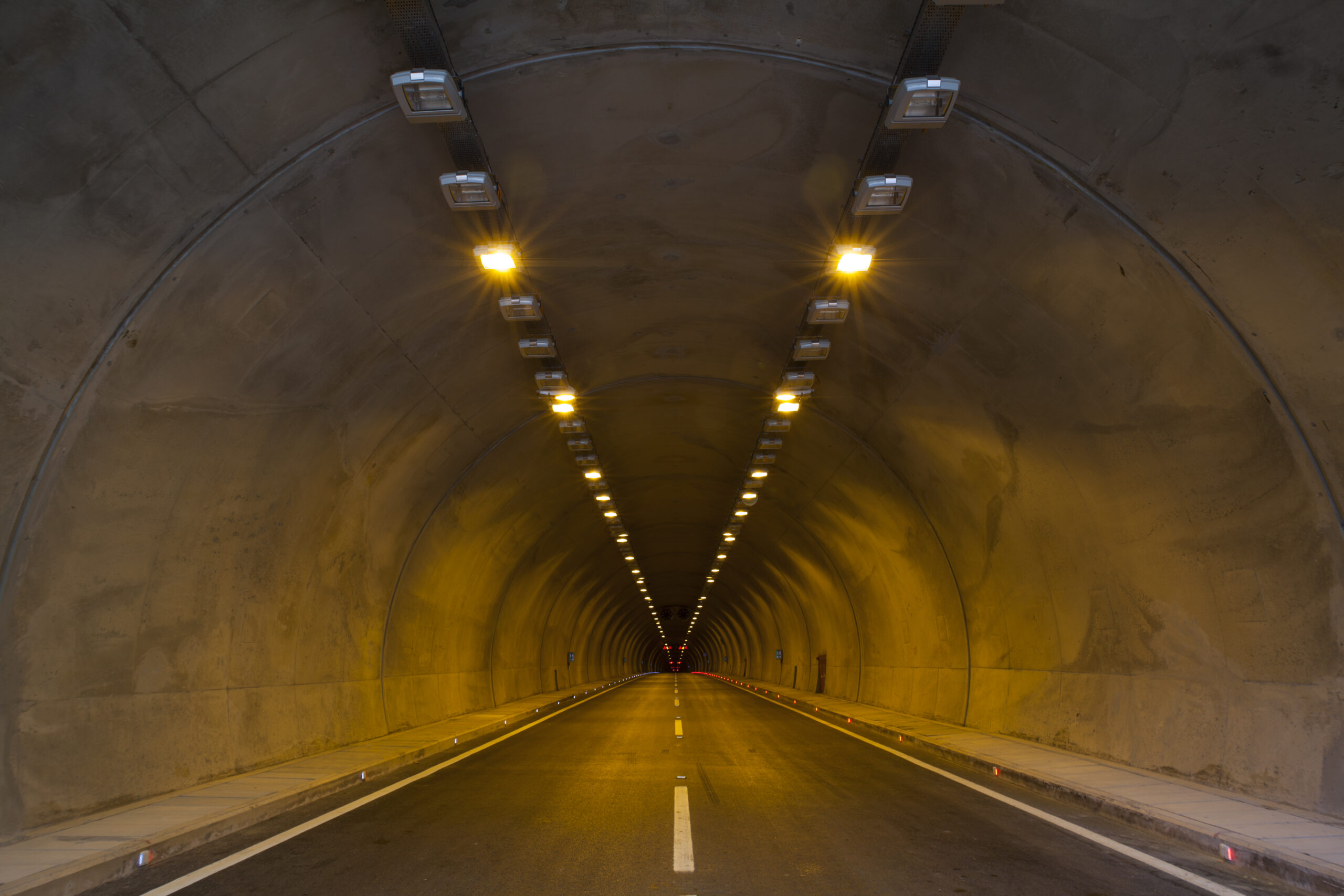
Traffic congestion is one of the defining features of Lincoln Tunnel. Because it connects densely populated urban areas, the tunnel experiences heavy traffic during peak commuting hours. Morning traffic heading into Manhattan and evening traffic leaving the city can create long delays for drivers.
To improve traffic flow, transportation authorities introduced dedicated bus lanes during rush hours. These special lanes allow buses to move more efficiently into Manhattan, helping reduce congestion and supporting public transportation systems. Advanced monitoring systems and traffic management technologies are also used to maintain safety and improve operational efficiency within the tunnel.
Interesting Facts About the Lincoln Tunnel
One fascinating fact about Lincoln Tunnel is that it was once considered the longest underwater vehicular tunnel in the world. The tunnel handles millions of vehicles every year and remains one of the busiest traffic routes in North America.
Another interesting detail is the tunnel’s cultural significance. It has appeared in movies, television programs, documentaries, and travel features, making it recognizable far beyond New York City. The tunnel’s iconic status has turned it into both a practical transportation route and an important landmark in American infrastructure history.
Tourism and Nearby Attractions
Travelers using Lincoln Tunnel often head directly into some of the most famous locations in Manhattan. Attractions such as Times Square, Central Park, and Empire State Building are easily accessible from the tunnel’s Manhattan exit.
Tourists visiting New York City from New Jersey frequently choose the Lincoln Tunnel because it provides quick access to Midtown Manhattan. Its location near theaters, restaurants, shopping districts, and business centers makes it an essential route for both visitors and residents.
Future of the Lincoln Tunnel
As transportation needs continue evolving, Lincoln Tunnel remains an important focus for modernization and infrastructure investment. Transportation authorities continue upgrading safety systems, ventilation equipment, and traffic management technologies to keep the tunnel efficient and secure.
Future developments may include smart transportation systems, better support for electric vehicles, and improved sustainability measures. Despite changing technology and transportation trends, the Lincoln Tunnel is expected to remain one of the most important transportation corridors in the United States for many years.
Conclusion
Lincoln Tunnel is far more than just an underwater roadway connecting New Jersey and New York City. It is a historic engineering achievement, an essential transportation route, and a symbol of urban progress in America. From its groundbreaking construction in the 1930s to its role in modern transportation today, the tunnel continues to support millions of commuters, tourists, and businesses every year. Its importance to the economy, infrastructure, and daily life of the New York metropolitan area ensures that the Lincoln Tunnel will remain a critical part of American transportation history.
Frequently Asked Questions (FAQ)
1. What is the Lincoln Tunnel?
Lincoln Tunnel is an underwater vehicular tunnel connecting New Jersey and Manhattan beneath the Hudson River.
2. When was the Lincoln Tunnel opened?
The first tube of the tunnel officially opened in 1937.
3. How many tubes does the Lincoln Tunnel have?
The tunnel has three separate traffic tubes.
4. Why is the Lincoln Tunnel important?
It supports transportation, tourism, business activity, and regional commerce between New York and New Jersey.
5. Who operates the Lincoln Tunnel?
The tunnel is operated by the Port Authority of New York and New Jersey.